



1. Your heart will love you for playing it
According to Canada’s 24-Hour Movement Guidelines, adults need at least 150 minutes of moderate- to vigorous-intensity physical activity (MVPA) each week. In a study of adults over age 50, more than 70% of their pickleball playing time was within the moderate-to-vigorous heart rate zone, so playing pickleball can help you reach the MVPA guideline. In a small pilot study, researchers found that playing pickleball every other day for six weeks was associated with a reduction in high blood pressure and elevated cholesterol levels – key risk factors for heart disease.
2. It’s suitable for all ages and abilities
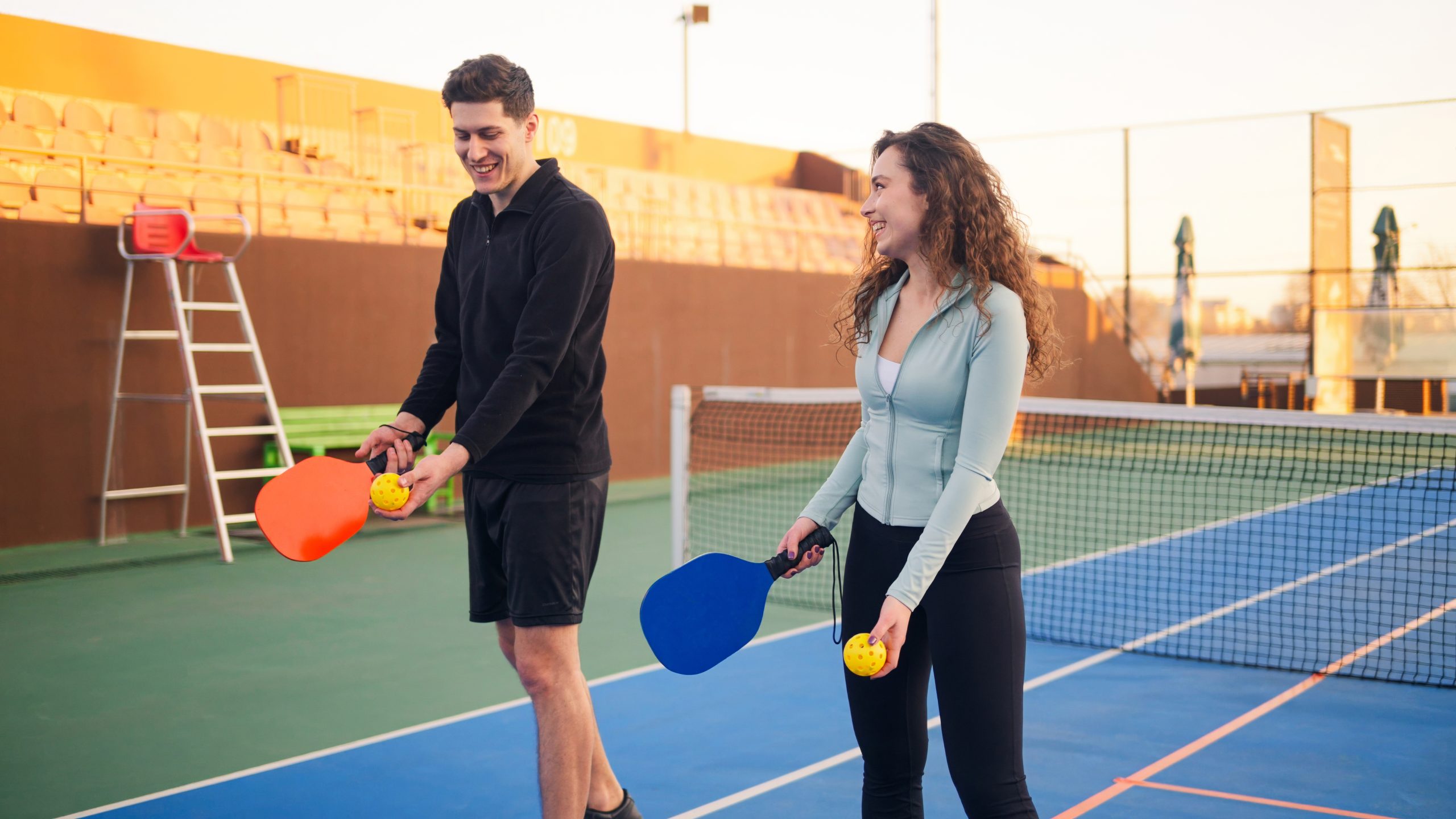
Pickleball welcomes people of all ages and abilities, with open paddles, including wheelchair users, who can play together or alongside standing players. To accommodate players who use wheelchairs, specific rules apply to them. For example, unlike standing players, those who use wheelchairs are allowed to return the ball after it has bounced twice on their side of the court, and they’re also allowed to cross the non-volley line.
3. It can improve your social life
Pickleball is automatically social because you need at least one other person to play it, and the small court size encourages social interactions with other players. These aspects make the sport an easy way to meet new people and make friends, especially if you become part of a pickleball league or club.
4. It can strengthen your mental and brain health

Studies on pickleball and mental health show that pickleball players report improvements in happiness, life satisfaction and well-being. Like many other sports, it also teaches you how to deal with challenges, setbacks (such as when your pickleball teammate volleys the ball from the kitchen), losses, and high-pressure situations (like when the ball is about to hit you in the face). All this can help you become more resilient the next time you’re “in a pickle”!
5. Your joints will thank you for playing
If your joints ever feel sore after playing tennis, you’ll appreciate pickleball’s smaller courts and slower pace, because it means you don’t need to travel as far or as fast as in tennis to keep the ball in play. This lowers the impact on your knees, ankles and hips. Additionally, the underhand serve used in pickleball helps minimize muscle and joint stress.
6. It can enhance your coordination and balance
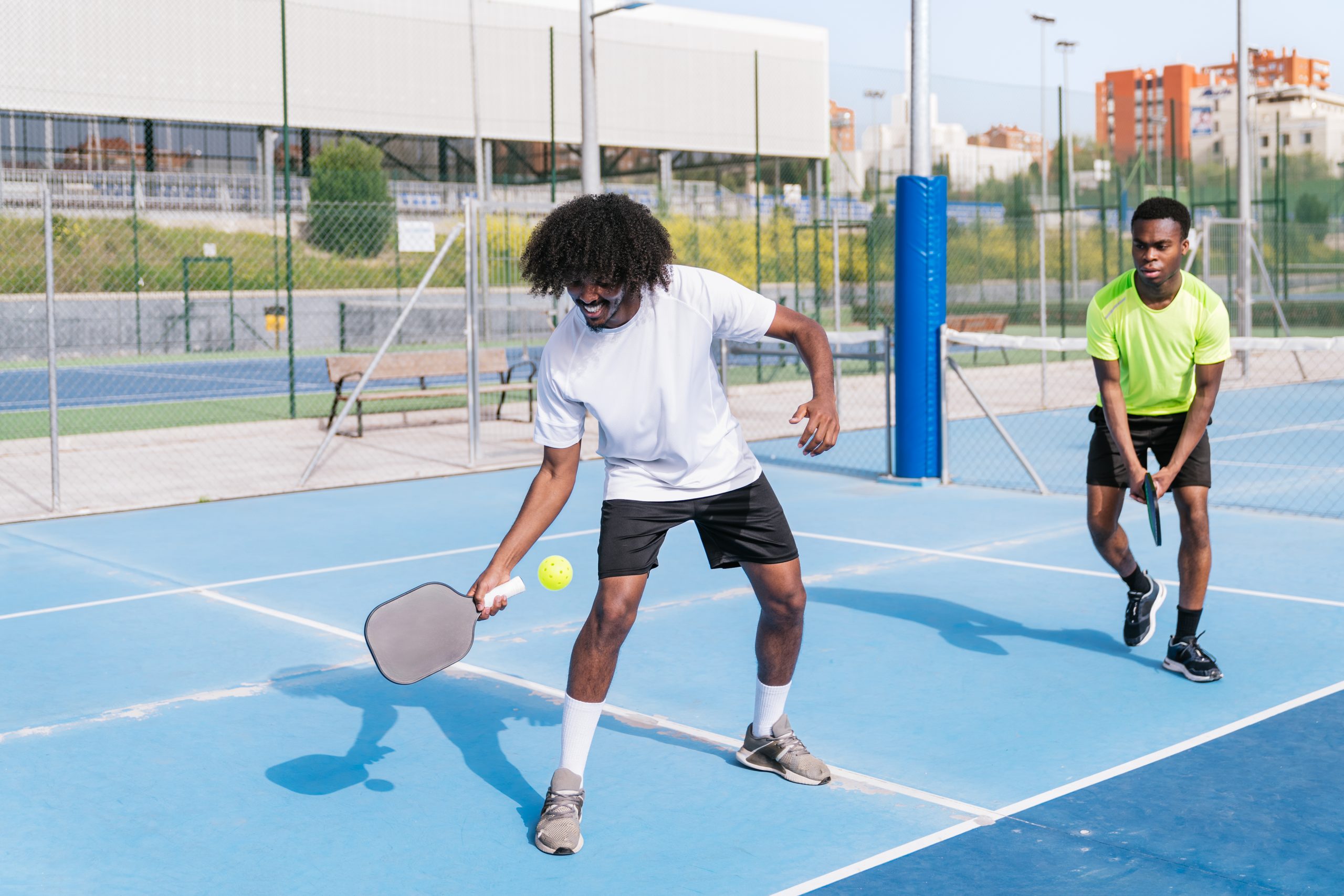
Playing pickleball involves moving forward, backward and side-to-side, hitting the ball strategically, and quickly reacting to a ball coming at you. These types of movements sharpen the connections between your brain, eyes, and body, thereby improving your coordination and balance. Maintaining good balance reduces your risk of falls, which is a particularly significant health concern for older adults.
7. It can improve your bone and muscle strength
Sports like pickleball put healthy stress on your bones and muscles, and your body responds by strengthening them. This can help prevent osteoporosis, a condition that weakens your bones and makes them more vulnerable to fractures.